

Inside the “Human Egg Farm” Controversy: Myths, Facts, and the Ethics of Human Egg Harvesting
What Is a “Human Egg Farm”? Understanding the Controversial Term

In recent years, the phrase “human egg farm” has captured massive attention across social media platforms like TikTok, Reddit, and X (formerly Twitter). The term evokes powerful imagery — rows of women supposedly “farmed” for their reproductive eggs in sterile laboratories, feeding a shadowy fertility or biotech industry. However, as shocking as it sounds, much of what’s circulating online mixes myth, fear, and fragments of truth into a narrative that’s far from accurate.
The phrase “human egg farm” does not originate from any official medical, scientific, or legal source. Instead, it’s an internet-driven phrase — born out of misunderstanding and amplified by viral videos and sensational headlines. The term blends legitimate aspects of egg donation and assisted reproductive technology (ART) with dystopian imagination reminiscent of stories like The Handmaid’s Tale or Brave New World. This combination has created confusion, panic, and a flood of misinformation online.
Why People Are Talking About “Human Egg Farms”
To understand why this concept went viral, it’s important to explore the modern social and cultural context.
The rise in fertility treatments, egg freezing, and global egg donation markets has brought new ethical questions to light. When people see clinics or companies offering large financial compensation for egg donors, it can raise suspicions about whether women are being exploited or overharvested. Add the visual power of social media — photos of lab environments, medical instruments, or egg storage facilities — and suddenly, a legitimate fertility clinic can look like a “human egg factory” to the untrained eye.
Furthermore, as biotechnology advances rapidly — including cloning, gene editing (CRISPR), and synthetic embryo creation — people’s fears of science “going too far” intensify. These fears often take the shape of viral conspiracy theories, especially when coupled with mistrust of corporations, governments, or elite institutions. The phrase “human egg farm” has thus become a symbol of modern anxieties about technology, ethics, and control over human reproduction.
Separating Reality from Fiction
Let’s be clear: there are no verified “human egg farms” anywhere in the world.
What does exist are licensed fertility clinics, egg donation programs, and biomedical research centers that operate under strict ethical and legal frameworks. These facilities perform egg retrieval procedures for women who willingly donate or freeze their eggs — either for personal use, fertility assistance for others, or medical research (with informed consent).
The confusion arises because people don’t understand what egg donation really involves. Unlike in fictional portrayals or conspiracy posts, egg retrieval is a controlled medical process, not an industrial “farming” operation. Women aren’t “bred” or “imprisoned” for their eggs — they are voluntary participants who go through hormonal stimulation and minor surgical procedures to extract mature eggs, typically between 10–20 per cycle.
| Myth vs. Fact: “Human Egg Farm” | Reality Check |
|---|---|
| Myth: Women are kept in secret labs to produce eggs. | Fact: Egg donors are volunteers who undergo medical screening and consent-based retrieval. |
| Myth: Companies harvest thousands of eggs from one woman. | Fact: A woman typically donates a limited number of eggs per cycle — excessive retrieval would be medically dangerous. |
| Myth: Egg donation is done in secret for genetic or cloning experiments. | Fact: Reproductive medicine is highly regulated; such claims have no credible evidence. |
| Myth: The “egg industry” profits by exploiting women. | Fact: While compensation exists, most programs are monitored by ethics boards and follow informed consent guidelines. |
The term “human egg farm,” then, is more a reflection of online fear and distrust than an accurate description of real-world fertility practices. Yet the viral spread of this phrase tells us something important: many people don’t understand how human reproduction science actually works, which leaves room for wild speculation.
How Language Shapes Fear
Words matter. When people hear “farm,” they think of animals bred for production — implying dehumanization and exploitation. The phrase “human egg farm” intentionally plays on this emotional association. In digital culture, such language spreads rapidly because it’s visual, shocking, and easy to share, even if it’s misleading.
Experts in digital anthropology and media studies point out that viral misinformation often follows this pattern:
- Emotion first, facts later.
- Visual storytelling that triggers shock or empathy.
- Simplified villains — corporations, scientists, or elites.
- Echo chambers where fear-based narratives multiply unchecked.
This is exactly what happened with the “human egg farm” narrative — it became a modern myth, shaped not by science, but by the internet’s power to amplify anxiety.
The Real Science Behind Human Egg Donation
While the phrase “human egg farm” sounds dystopian and inhumane, the actual medical process of egg donation and retrieval is a carefully monitored, voluntary, and ethical practice. It’s a legitimate part of modern reproductive medicine that has helped millions of people around the world conceive children who otherwise could not.
What Is Egg Donation?
Egg donation is a process in which a woman (the donor) provides mature eggs (oocytes) to another person or couple (the recipient) to assist with in vitro fertilization (IVF) or other fertility treatments. The eggs may also be used for scientific research, but only with full, informed consent and ethical oversight.
It’s a well-established practice, particularly in countries like the United States, Spain, India, and the United Kingdom, where fertility industries are highly regulated.
In fact, according to the Centers for Disease Control and Prevention (CDC), more than 330,000 assisted reproductive technology cycles are performed annually in the U.S. alone — and a portion of these involve donor eggs.
How the Egg Donation Process Works
Here’s a simplified breakdown of the scientific process behind egg retrieval — one that completely contrasts with the “farming” imagery spread online:
| Step | Description |
|---|---|
| 1. Screening and Evaluation | Donors go through medical, psychological, and genetic screening to ensure they are physically healthy and emotionally prepared. |
| 2. Hormonal Stimulation | For about 10–14 days, donors take hormone injections (like FSH and LH) to stimulate the ovaries to produce multiple mature eggs instead of just one. |
| 3. Monitoring and Ultrasound | Doctors perform ultrasounds and blood tests to track egg development. Adjustments to medication are made for safety and optimal timing. |
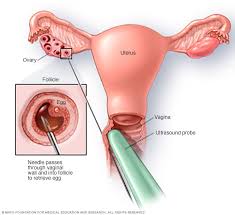
| 4. Egg Retrieval Procedure | When eggs are mature, a minor surgical procedure called transvaginal ultrasound aspiration is performed under mild anesthesia. A needle is guided to retrieve the eggs — usually 10–20 per cycle. |
| 5. Recovery and Use | The donor rests for a day or two. Eggs are then either fertilized for IVF, frozen, or used for research depending on consent agreements. |
The procedure is minimally invasive and typically takes less than 30 minutes. The donor’s body naturally recovers, and most women resume normal activities within a few days.
“Egg donation is not farming — it’s a controlled, consent-based medical process that empowers people to help others build families,”
— Dr. Alyssa Davis, Reproductive Endocrinologist, New York Fertility Institute.
How Many Eggs Are Retrieved from a Donor?
Contrary to viral claims that women are “harvested” for hundreds of eggs, the human body only produces a limited number of eggs during each stimulation cycle.
- On average, 10 to 20 eggs are retrieved.
- Some donors may produce slightly more or less depending on their health, age, and ovarian reserve.
- The maximum number of donation cycles allowed by reputable fertility agencies is around 6, as per the American Society for Reproductive Medicine (ASRM) guidelines.
This ensures that egg donation remains safe and that the donor’s long-term fertility is not affected.
What Happens to the Eggs?
Depending on the agreement between the donor and recipient or clinic, retrieved eggs are either:
- Used Immediately for IVF, where they’re fertilized with sperm to create embryos.
- Frozen (Cryopreserved) for future use by the donor or recipient.
- Donated to Research for scientific studies on fertility, genetics, or stem cells (with explicit consent).
Each pathway follows strict ethical review boards, known as Institutional Review Boards (IRBs) in the U.S. or Ethics Committees in the EU, which ensure consent, safety, and legality.
Ethical Oversight and Global Regulation
One major reason why the idea of “human egg farms” doesn’t hold up under scrutiny is because of heavy regulation.
In most developed countries, reproductive medicine operates under strict ethical and legal frameworks designed to protect both donors and recipients.
Examples of regulatory frameworks:
| Country | Regulatory Authority | Key Focus Areas |
|---|---|---|
| United States | FDA & ASRM | Consent, donor screening, compensation limits, medical safety |
| United Kingdom | Human Fertilisation and Embryology Authority (HFEA) | Ethical donation, identity disclosure, record keeping |
| Spain | Spanish Fertility Society (SEF) | Anonymous donation laws, quality control |
| India | ART (Regulation) Act 2021 | Protects donors, bans commercial exploitation |
| EU (General) | European Society of Human Reproduction and Embryology (ESHRE) | Ethical standards, cross-border fertility monitoring |
These laws prohibit any form of forced egg retrieval or “farming” and require informed consent at every step.
Violations can result in criminal charges, loss of medical license, or closure of clinics.
Why People Confuse Egg Donation with “Farming”
The confusion around “human egg farms” often stems from visual misinformation and ethical gray areas in fertility markets. Some commercial egg banks display rows of storage tanks, labs filled with vials, or egg catalog listings — visuals that, when taken out of context, resemble factory-like operations.
However, these images simply depict cryogenic storage and medical laboratory work, not the exploitation of human donors. The ethical concern lies not in the science itself, but in how the system is marketed and monetized — which we’ll explore in the next section.
Ethical and Economic Questions: Is the Human Egg Market Exploitative?
While the concept of a “human egg farm” is mostly misinformation, it’s important to recognize why people find the idea believable in the first place. The fertility industry is a rapidly expanding global market, with billions of dollars at stake and complex ethical questions about women’s autonomy, body commodification, and economic inequality.
This is where legitimate concerns begin — and where exploitation can occur, especially in regions with weak regulation or financial desperation.
The Economics of Egg Donation
Globally, the fertility market is projected to reach $43 billion by 2027, according to Grand View Research. Egg donation and surrogacy represent a significant portion of that revenue, particularly in countries like the United States, India, Ukraine, and Spain.
In many countries, donors are compensated for their time, risk, and discomfort, rather than for the eggs themselves — to avoid the perception of “selling human parts.”
However, in reality, financial compensation can range widely:
| Region | Average Donor Compensation |
|---|---|
| United States | $5,000 – $10,000 per cycle (sometimes more for specific traits or education) |
| Europe (Spain, UK) | $1,000 – $3,000 per cycle (regulated, lower limits) |
| India / South Asia | $400 – $1,200 (depending on clinic and demand) |
| China (Underground Market) | $10,000+ (illegal, unregulated, high risk) |
These numbers reveal a global economic disparity: in some countries, egg donation can be a life-changing income opportunity, while in others, it raises alarms about coercion and exploitation.
When financial need drives medical decisions, consent becomes ethically complicated — and that’s where critics argue the “human egg farm” analogy starts to feel uncomfortably close to reality.
The Moral Dilemma: Body Autonomy vs. Commercialization
The central ethical question is this:
“At what point does voluntary donation become commodification of the human body?”
Supporters argue that egg donation empowers women, allowing them to make autonomous choices about their bodies while helping others achieve parenthood.
Critics counter that the fertility industry treats women’s biology as a marketplace, where eggs are assigned monetary value based on genetic desirability — such as appearance, ethnicity, or academic background.
For example:
- Agencies often market donors by highlighting traits like Ivy League education, blue eyes, or athletic ability.
- This mirrors eugenic patterns, where genetic traits become commodities rather than personal attributes.
Ethicist Dr. Debra Satz from Stanford University calls this the “moral limit of markets” — arguing that some human capacities (like reproduction) should never be reduced to financial transactions.
“When women’s reproductive cells are priced, graded, and sold, it’s not just an economic act — it’s a reflection of what society values about human life.”
— Dr. Debra Satz, Stanford University, “Why Some Things Should Not Be for Sale.”
Exploitation in Developing Countries

One of the biggest real-world risks is cross-border reproductive tourism — where wealthy clients from the West seek cheaper egg donors or surrogates in developing nations.
For instance:
- In India, before new regulations in 2021, some women were pressured by agents to undergo repeated egg retrievals, risking ovarian hyperstimulation syndrome (OHSS).
- In Ukraine and Georgia, the demand for donors surged during the pandemic, with reports of women recruited through deceptive ads promising “easy money” but hiding medical risks.
- In China, black-market fertility brokers have been caught offering women tens of thousands of dollars to illegally sell eggs, often in unsafe conditions.
These realities highlight that, while no literal “egg farms” exist, systemic exploitation can and does occur — especially where regulation is weak, and financial desperation is high.
It’s in these environments that the myth and the truth blur, fueling conspiracy theories about “human egg farms.”
The Role of Technology and AI in Reproductive Markets
In recent years, the rise of genetic testing, AI-based donor matching, and DNA data analytics has added a new ethical layer.
Some fertility platforms now use algorithms to match donors and recipients based on:
- Genetic compatibility
- Ancestry
- Predicted health outcomes
- Even personality traits or IQ scores
While this technology improves medical outcomes, it also raises bioethical red flags. Are we edging toward designer babies, where human traits are optimized through selective genetics?
Critics fear that these practices could normalize genetic consumerism — turning reproduction into a personalized, data-driven commodity, further validating dystopian fears behind “human egg farm” conspiracies.
Global Ethical Safeguards
Fortunately, several international organizations are working to establish clear ethical guidelines to prevent exploitation:
| Organization | Focus | Guideline Summary |
|---|---|---|
| World Health Organization (WHO) | Human Reproduction Research | Promotes informed consent and prohibits forced or unconsented egg retrieval. |
| UNESCO Bioethics Committee | Human Dignity in Biotechnology | Advocates that human gametes should never be commercialized. |
| European Society of Human Reproduction and Embryology (ESHRE) | Cross-Border Fertility | Urges ethical practices and bans “reproductive tourism” exploitation. |
| American Society for Reproductive Medicine (ASRM) | Donor Protection | Limits donation cycles, enforces screening, and prohibits excessive payment. |
These safeguards make it clear: while ethical lapses exist, institutional “human egg farms” are not real — they’re distortions built on kernels of truth about inequality, technology, and profit motives.
A Market in Need of Transparency
The key takeaway here is not that the “human egg farm” exists, but that transparency and ethics in reproductive medicine are essential to prevent it from ever becoming reality.
- Donor education should be prioritized over profit.
- Regulation must be global, not just national.
- Ethical marketing — avoiding the commodification of traits — should be enforced across fertility agencies.
Only by acknowledging and addressing these real issues can society move beyond fear and misinformation — toward a more humane, transparent, and ethical reproductive system.
The Rise of the “Human Egg Farm” Conspiracy: How the Internet Turned a Medical Process into a Viral Myth
The phrase “human egg farm” didn’t emerge from science or medicine — it was born in the chaotic echo chambers of the internet. What began as isolated discussions about egg donation ethics and fertility technology gradually mutated into a global conspiracy theory, shared millions of times across social platforms.
To understand how this happened, we need to trace the digital journey of the term: from legitimate questions about IVF and women’s health to viral horror stories about human exploitation and secret labs.
How the “Human Egg Farm” Narrative Began
The earliest traces of the “human egg farm” phrase date back to Reddit and fringe forums around 2015–2017, where users debated the ethics of fertility programs. As videos of cryogenic tanks, egg retrieval tools, and IVF facilities began circulating, these visuals — stripped of context — sparked dark interpretations.
By 2020, during the pandemic lockdowns, interest in biotech, cloning, and “elite reproduction” surged.
People were anxious, distrustful of institutions, and spending more time online. The term “human egg farm” resurfaced in conspiracy communities that already believed in themes like:
- Global elites controlling reproduction.
- Secret experiments on human embryos.
- The commodification of women’s bodies.
In these circles, a legitimate fertility clinic photo could easily be framed as evidence of a hidden reproductive industry — despite lacking any factual basis.
The Social Media Amplification Effect
Social platforms like TikTok, X (formerly Twitter), YouTube, and Telegram played a major role in pushing this term into the mainstream.
The “human egg farm” conspiracy gained traction for three main reasons:
- Algorithmic Amplification – Social media platforms reward emotionally charged content. Videos with shocking visuals or fear-inducing captions (“They’re farming women for eggs!”) received millions of views because outrage drives engagement.
- Visual Misinterpretation – Footage of IVF labs, egg storage tanks, and donor procedures — often available through legitimate educational sources — was clipped out of context and relabeled as “proof.”
- Echo Chamber Effect – Once people engaged with such content, algorithms recommended similar posts, creating a feedback loop where conspiracy claims felt “everywhere” and thus believable.
A 2023 study by the Reuters Institute for the Study of Journalism found that false reproductive science content spreads 5x faster on visual-first platforms like TikTok compared to text-based media. The reason? Images are more persuasive than facts when people lack background knowledge.
Why People Believe the “Human Egg Farm” Myth
At its core, the “human egg farm” theory resonates because it taps into deep psychological fears — not scientific ignorance alone.
Here are the key emotional triggers behind its viral rise:
| Fear Trigger | Explanation |
|---|---|
| Loss of Bodily Autonomy | People fear being exploited by powerful systems — governments, corporations, or biotech companies — without consent. |
| Distrust in Science and Institutions | The rapid advancement of biotechnology (like gene editing) fuels suspicion that science is “outpacing morality.” |
| Economic Inequality | Seeing wealthy clients pay thousands for donor eggs evokes class resentment — “the rich exploiting the poor.” |
| Gendered Exploitation Narratives | The history of women’s bodies being controlled or medicalized (from witch trials to forced sterilizations) makes the idea of “farming” believable. |
| Pop Culture Influence | Dystopian fiction such as The Handmaid’s Tale, Never Let Me Go, and The Island have normalized the imagery of women bred for reproduction. |
“Conspiracy theories thrive where fear meets ignorance — the ‘human egg farm’ myth is a reflection of how much we misunderstand reproductive science,”
— Dr. David Gorski, Science-Based Medicine Journal.
How Misinformation Transformed into Belief
The transformation from online speculation to widespread belief followed a familiar misinformation pattern observed by digital sociologists.
Step-by-step breakdown:
- A kernel of truth: Legitimate discussions about fertility and donor compensation.
- Distortion: Emotional framing — “They’re selling women’s eggs like commodities.”
- Viral visual: A photo of an IVF lab goes viral with no source or context.
- Conspiracy echo: Influencers or anonymous accounts amplify it.
- “Proof loop”: Users interpret the repetition of posts as confirmation (“everyone’s talking about it — it must be true”).
This mirrors how other health-related myths spread online — from anti-vaccine misinformation to AI and cloning conspiracies.
The “human egg farm” narrative became a cultural meme, not because it was real, but because it was emotionally powerful, visually striking, and algorithmically rewarded.
Case Study: TikTok and the “Egg Farm” Trend
In 2022–2023, TikTok saw a spike in videos tagged with #HumanEggFarm, #EggHarvesting, and #BiotechTruth.
One viral post — showing rows of cryogenic storage tanks in a fertility lab — reached over 15 million views in less than a week.
The caption read:
“This is where your eggs go when you sell them to the government.”
Fact-checkers from Reuters and Snopes traced the video back to a public tour video of a legal fertility clinic in California — nothing secretive or exploitative.
Still, the original claim continued to circulate for months because the correction never goes as viral as the lie.
According to MIT’s 2021 misinformation study, false stories are 70% more likely to be shared than accurate ones, precisely because they are designed to evoke emotion, not reason.
Digital Mythology in the Age of Fear
Sociologists refer to these viral phenomena as “digital mythologies” — stories that blend fact, fiction, and symbolism to express collective fears.
The “human egg farm” myth represents:
- Fear of technology replacing nature,
- Fear of women losing autonomy,
- Fear of wealth and power controlling biology, and
- Fear of becoming a product in the system.
These fears are deeply human — and in a world of accelerating biotechnological change, they’re understandable. The tragedy is that, rather than leading to education and reform, they often lead to mistrust, panic, and the spread of harmful misinformation.
Who Benefits from These Conspiracies?

Conspiracy content doesn’t spread for free. It generates profit for influencers, page owners, and engagement-driven platforms.
Sensational videos about “human egg farms” often:
- Drive traffic to monetized pages,
- Sell supplements or “detox” programs,
- Promote anti-science or extremist ideologies, or
- Build audiences for political manipulation campaigns.
The formula is simple:
Fear = Engagement = Revenue.
The “human egg farm” myth isn’t just a misunderstanding of science — it’s an industry of misinformation built for clicks, outrage, and influence.
The Bottom Line
There’s no evidence — not a single verified report — that “human egg farms” exist in any form. What exists is a complex fertility economy, a fast-evolving biotechnology sector, and a digital culture addicted to fear-based storytelling.
Understanding this is essential to building media literacy and scientific awareness. Because when we confuse dystopian fiction with real medicine, we risk undermining trust in the very technologies that could one day help cure infertility, genetic diseases, or even save lives.
The Science Behind Egg Donation and Assisted Reproduction
To understand why the phrase “human egg farm” sparks such controversy, it’s important to look at the scientific and medical reality behind how egg donation and assisted reproduction actually work. The term may sound sinister, but in legitimate medical contexts, the process is regulated, voluntary, and grounded in reproductive science, not exploitation.
How the Egg Donation Process Works
Egg donation is a medical procedure that allows women to donate their eggs (oocytes) to help others conceive — typically couples struggling with infertility or same-sex partners who need a biological link to their child. Here’s an overview of the process:
| Step | Description |
|---|---|
| 1. Screening | Donors undergo medical, psychological, and genetic screening to ensure suitability and health safety. |
| 2. Hormonal Stimulation | Donors take fertility medications to stimulate the ovaries to produce multiple eggs. |
| 3. Monitoring | Doctors monitor the donor with ultrasounds and blood tests to track egg development. |
| 4. Egg Retrieval | Mature eggs are retrieved from the ovaries via a minor surgical procedure under sedation. |
| 5. Fertilization or Storage | The retrieved eggs are either fertilized immediately (for IVF) or frozen for later use. |
Each of these steps takes place under medical supervision and follows strict ethical and health protocols. While the idea of mass egg collection (as the term “egg farm” implies) sounds exploitative, the real process is individualized and consent-driven.
Why Women Donate Their Eggs
Egg donation is not just about money — though compensation does play a role. Women choose to donate their eggs for several reasons:
- Helping others conceive — Many donors feel a sense of altruism in giving infertile couples the chance to have children.
- Financial compensation — In many countries, donors are compensated for time and medical effort. For example, U.S. donors typically receive between $5,000 to $15,000 per cycle, depending on various factors.
- Medical curiosity or personal interest — Some women want to learn more about their reproductive health or contribute to scientific research.
However, this financial incentive can become ethically problematic when it targets low-income women who might feel pressured to undergo invasive medical procedures for compensation — a concern critics often raise when comparing the industry to a “farm.”
Common Myths About “Human Egg Farms”
Because of online misinformation, the term “human egg farm” often circulates alongside exaggerated or fabricated claims. Let’s clear up a few:
| Myth | Reality |
|---|---|
| “Women are imprisoned and used for egg harvesting.” | There is no evidence of any legitimate institution practicing this. Licensed fertility clinics operate under strict national and international regulations. |
| “Egg farming is like organ trafficking.” | While egg donation involves compensation, it is not equivalent to organ trade. Donors give informed consent and undergo medical supervision. |
| “There are secret egg farms in developing countries.” | Some unethical practices and underregulated clinics do exist, particularly in countries with lax laws — but these are isolated cases, not systemic “farms.” |
| “Egg donation causes infertility.” | Most medical studies show that egg donation is safe when done properly, though it carries mild risks like ovarian hyperstimulation. |
What Data Says About the Global Egg Donation Industry
According to the European Society of Human Reproduction and Embryology (ESHRE), more than 70,000 IVF cycles using donated eggs are performed annually in Europe. In the United States, the Centers for Disease Control and Prevention (CDC) reports around 20,000–25,000 donor egg cycles each year.
These numbers reflect a regulated fertility industry, not a clandestine system of “human egg farms.” Still, ethical oversight and transparency remain crucial as demand for eggs increases globally, especially in countries like the U.S., India, Thailand, and Spain — all major fertility tourism destinations.
Ethical Concerns Around Commercialization
The commercialization of human eggs — where compensation becomes a major motivator — raises important ethical debates:
- Commodification of the human body: Turning reproductive cells into marketable goods may blur moral boundaries.
- Economic coercion: Women from poorer backgrounds might be more likely to undergo donation due to financial pressure.
- Medical risk vs. reward: The physical and psychological risks must be balanced with fair compensation and informed consent.
- Regulatory gaps: Some regions lack proper legal frameworks, leading to potential exploitation or unsafe practices.
In short, while there is no global “human egg farm” in the literal sense, the commodification trend in fertility medicine continues to raise serious moral and social questions — questions that need to be addressed with stronger laws, transparency, and ethical enforcement.
The Ethics and Myths of the “Human Egg Farm” Concept
The term “human egg farm” evokes a powerful emotional reaction — it conjures images of exploitation, coercion, and bioethics gone wrong. While no legitimate fertility center operates like a “farm,” the ethical implications surrounding egg donation and assisted reproduction are worth examining closely. Understanding where reality ends and myth begins helps separate ethical science from fear-driven narratives.
Why the Term “Human Egg Farm” Is Misleading
At its core, the term “human egg farm” misrepresents what occurs in reproductive medicine. Fertility centers that manage egg donation and IVF are highly regulated, requiring medical licensing, informed consent, and adherence to health protocols.
However, misinformation often arises because of three factors:
- Media sensationalism: Headlines or documentaries exaggerate fertility practices to attract attention.
- Exploitation cases: A few unethical clinics in developing countries have violated donor rights, fueling conspiracy theories.
- Public misunderstanding of biotechnology: Many people lack awareness of how IVF and egg donation work, making the term “farm” sound believable.
For example, in some online spaces, videos and posts circulate claiming that “hidden human egg farms” exist in remote areas — but investigations by fact-checkers and human rights organizations have found no verifiable evidence of organized egg “farming” operations. Instead, what sometimes occurs is unregulated fertility tourism, where women are underpaid or misled by shady clinics.
So, while unethical exploitation may exist, the industrial “farm” model is fiction.
The Ethical Dilemma: When Compensation Meets Consent
At the heart of the human egg donation debate lies a crucial ethical tension:
How do we balance a woman’s right to autonomy and compensation with society’s duty to protect her from exploitation?
Ethicists argue that when women are fully informed, medically protected, and fairly compensated, egg donation can be empowering and ethical. Yet problems arise when economic inequality turns choice into coercion.
For instance:
- A university student might view egg donation as a way to pay tuition but not fully understand the health risks.
- A low-income woman in a developing country might feel pressured to donate repeatedly to support her family.
These situations blur the line between choice and necessity, raising difficult moral questions about bodily autonomy in capitalist systems.
Philosophical Perspectives: Is It Right to Sell Human Eggs?
Different ethical frameworks interpret “human egg farming” differently:
| Ethical Framework | View on Egg Donation | Concerns |
|---|---|---|
| Utilitarianism | If it helps infertile families and harms no one, it’s morally acceptable. | Risk of exploitation outweighing overall happiness. |
| Deontological Ethics (Kantian) | Using a person’s body as a means to an end (for profit) is unethical. | Treating women’s reproductive capacity as a commodity. |
| Feminist Ethics | Focuses on consent, empowerment, and gender inequality. | Women’s bodies being exploited under patriarchal or economic pressures. |
| Bioethics | Ethical if conducted with transparency, consent, and medical safety. | Needs global regulation to avoid abuse. |
Thus, while egg donation itself is not inherently immoral, systemic inequality and profit motives can make it ethically fragile.
The Role of Regulation in Preventing Exploitation

Countries that tightly regulate fertility clinics and compensation practices tend to have ethical, transparent donation systems. For example:
- United Kingdom: Only allows altruistic donation, not commercial sales. Donors can be reimbursed for expenses but not paid large sums.
- United States: Permits compensated donation, but clinics must follow FDA and ASRM (American Society for Reproductive Medicine) guidelines.
- India and Thailand: Previously had booming fertility tourism markets, but both introduced stricter laws after reports of exploitation.
Where laws are vague or weak, black-market activities may emerge — but these are usually isolated cases, not systematic “farms.” International organizations like WHO and UNESCO have called for global bioethical standards to prevent such exploitation from spreading.
Why Myths Persist: The Internet and Conspiracy Theories
The internet plays a major role in spreading the “human egg farm” myth. Social media platforms amplify shocking stories, even if they lack credible sources. Videos showing laboratory footage or IVF procedures are often misrepresented as secret “egg farms.”
According to Poynter Institute’s International Fact-Checking Network (IFCN), misinformation about human reproduction and biotechnology has increased by over 250% since 2019 — driven by viral posts and AI-generated hoaxes.
Some conspiracy theories even claim that corporations or elites run “human egg farms” for cloning or organ harvesting — all of which have been debunked by credible scientific and human rights groups. Still, the combination of secrecy, science, and emotion makes these stories sticky and hard to disprove in public imagination.
Key Takeaway: Ethics, Not Exploitation
The truth behind the human egg farm narrative is complex.
There is no global system harvesting human eggs in an industrial or coercive manner, but the fertility industry’s rapid commercialization does pose ethical challenges.
A responsible society should strive for:
- Informed consent and transparency in every donation process.
- Fair compensation that doesn’t exploit financial vulnerability.
- Public education to demystify reproductive science.
- International bioethics cooperation to prevent abuse.
As long as these principles guide the industry, the idea of a “human egg farm” will remain what it is — a myth fueled by fear, not fact.
Fertility Industry Economics: Where the “Human Egg Farm” Idea Came From
The rise of the fertility industry over the last few decades has transformed human reproduction into a multi-billion-dollar global market — one where science, business, and personal dreams intersect. This growing commercialization is the economic root of the “human egg farm” myth. When reproduction becomes a service and eggs become commodities, it’s easy for the public to imagine — and fear — a world where women’s bodies are “harvested” for profit.
Let’s explore the economic realities that gave rise to this narrative.
The Fertility Industry in Numbers
The global assisted reproductive technology (ART) market — which includes IVF, egg freezing, sperm donation, and surrogacy — is booming. According to Grand View Research (2024), the market was valued at $34.3 billion in 2023 and is projected to reach over $55 billion by 2030, growing at a CAGR of 7.8%.
Here’s a snapshot of the market breakdown:
| Region | Market Value (USD, 2023) | Key Factors |
|---|---|---|
| United States | $8.6 billion | High demand, advanced clinics, permissive egg donation laws |
| Europe | $9.2 billion | Strict ethics regulations, growing IVF awareness |
| Asia-Pacific | $10.4 billion | Fertility tourism hubs like India, Thailand, and Malaysia |
| Middle East | $3.1 billion | Growing interest, but restricted by religious/cultural norms |
These figures show how fertility treatment has become a global business, with human eggs as a critical resource. While this doesn’t equate to exploitation, the financial stakes are immense, and that’s where ethical tension arises.
Why Human Eggs Became “High-Value Assets”
Human eggs are biologically rare — a woman is born with a finite number, and retrieving them is complex and expensive. This scarcity drives value. In many fertility clinics, egg donors can receive between $5,000 and $20,000 per cycle, depending on:
- Age and health
- Ethnicity or genetic traits (certain traits are more sought after)
- Educational background
- Previous successful donations
While compensation helps attract donors, critics argue that this monetization of biological material mirrors how commodities are traded — hence the metaphorical label “human egg farm.”
Some agencies even advertise specific donor profiles (e.g., “Ivy League donor,” “athletic donor”), which blurs ethical boundaries by assigning financial value to human traits.
Fertility Tourism: The Global Market for Human Eggs
One of the biggest factors fueling the “human egg farm” perception is the rise of fertility tourism — the practice of traveling abroad for affordable or legally permissible IVF and egg donation procedures.
Countries like India, Ukraine, Spain, and Cyprus became popular destinations because they offered lower costs, higher donor availability, and less restrictive laws than Western countries.
However, this also opened the door to abuse and exploitation.
In 2015, investigative journalists in India revealed several unregulated fertility clinics where poor women were repeatedly donating eggs for money, often without proper medical oversight. Some suffered serious health complications.
While such cases are not systemic “egg farms”, they reinforce the image of vulnerable women being treated like “reproductive suppliers” for wealthier clients.
As a result, both India (2019) and Thailand (2015) introduced laws banning commercial surrogacy and limiting foreign access to local egg donors.
The Economic Chain of Egg Donation
To understand how this industry operates, here’s a simplified flowchart showing where the money goes:
| Stakeholder | Role | Revenue Source |
|---|---|---|
| Egg Donor | Provides eggs | Compensation per cycle ($5k–$15k avg.) |
| Fertility Clinic | Conducts medical procedures | IVF cycle fees ($15k–$25k avg.) |
| Egg Bank / Agency | Matches donors and recipients | Service fee / donor profile listing |
| Recipient (Client) | Purchases treatment | Pays total package cost ($25k–$100k+) |
| Pharmaceutical Companies | Supply fertility drugs | Hormonal therapy revenue |
| Medical Tourism Agents | Arrange travel/logistics | Commission from clinics |
This commercial chain, though legal, can appear ethically troubling — especially when viewed through a social justice lens. Critics argue that the system benefits wealthy clients while placing medical risk on poorer women, thus creating a reproductive class divide.
How Marketing Language Fuels the “Farm” Perception
Another underappreciated factor is marketing rhetoric. Egg donation agencies often use phrases like:
- “High-demand donors wanted”
- “Premium eggs available”
- “Exclusive genetics from top universities”
These phrases — intended to attract clients — inadvertently dehumanize donors, turning a deeply personal biological process into a market transaction.
Such language reinforces the imagery of a “production system”, which aligns with the “egg farm” narrative, even if no actual exploitation is taking place.
Is There a Way to Balance Profit and Ethics?
Experts suggest transparency and fair compensation models as key solutions:
- Set caps on the number of donations per donor to prevent overharvesting.
- Enforce full informed consent in every transaction.
- Provide medical insurance and long-term health monitoring for donors.
- Require public reporting by fertility clinics about donor cycles and compensation ranges.
In countries that have implemented such frameworks — like the UK and Canada — ethical concerns and exploitative practices have sharply declined, even as the fertility industry continues to thrive.
Conclusion: Economics Created the Myth, Not Reality
The “human egg farm” myth is less about secret labs or forced donors — and more about the economic optics of reproductive medicine. The commodification of eggs, combined with the rising global fertility market, makes it easy for outsiders to equate the process with industrial exploitation.
But the truth lies in regulation, transparency, and ethics. When these elements are strong, the fertility economy functions as a system of hope and empowerment, not exploitation.
Media Influence and Conspiracy Theories: How the Internet Amplified the “Human Egg Farm” Idea
The internet has an extraordinary ability to transform niche rumors into viral global narratives. The concept of the “human egg farm” is a striking example of how misinformation, fear, and sensational storytelling can merge into a powerful — yet misleading — social phenomenon. What began as a series of misunderstandings about fertility science has evolved into a global conspiracy theory, sustained by online platforms, clickbait media, and algorithm-driven outrage.
Let’s break down how this myth spread — and why people still believe it.
The Role of Viral Media in Spreading the “Human Egg Farm” Myth
The modern media ecosystem thrives on shock value. Stories about human exploitation, secret experiments, or bioethics gone wrong generate high engagement — clicks, shares, and comments. Even reputable outlets occasionally use provocative headlines to attract readers.
A common example is the misleading headline style:
“Inside the Global Trade of Human Eggs: A Modern-Day ‘Egg Farm’?”
While the article may discuss ethical egg donation, readers often only register the emotional imagery — “human eggs,” “farm,” “trade.” These words evoke dystopian imagery reminiscent of The Matrix or The Handmaid’s Tale. As a result, the emotional impact overpowers the factual content, and the myth spreads faster than the truth.
According to a 2023 report by The Reuters Institute for the Study of Journalism, emotionally charged misinformation spreads six times faster on social media than factual reporting. The “human egg farm” myth fits this pattern perfectly.
Social Media Platforms: Accelerating Fear and Falsehood
Social platforms like TikTok, X (Twitter), YouTube, and Facebook have become the primary breeding grounds for this myth. A quick search for “human egg farm” often reveals:
- Videos showing IVF laboratories with captions like “This is where they harvest women’s eggs” — taken completely out of context.
- AI-generated or deepfake videos claiming to “expose” underground human egg farms.
- Conspiracy theory threads connecting egg donation to human trafficking, cloning, or secret genetic experiments.
These videos often combine real footage from medical documentaries with fictional narratives, blurring the line between fact and imagination. The result? Millions of viewers who walk away convinced something sinister is happening behind closed doors.
In 2024, FactCheck.org debunked a viral TikTok series that claimed “a secret human egg farm” existed in Eastern Europe. The creator had used stock videos from a legitimate fertility lab in Denmark, editing them with ominous music and false captions. Despite being proven false, the original video gained over 4 million views before it was taken down.
The Psychology Behind Believing in “Human Egg Farm” Theories
Why do so many people believe in myths like this one?
The answer lies in cognitive bias and emotional reasoning.
Humans are naturally drawn to stories that:
- Elicit fear, disgust, or moral outrage.
- Offer a sense of hidden truth (“they don’t want you to know this”).
- Simplify complex issues into clear villains and victims.
The fertility industry is already emotionally charged — involving birth, gender, money, and medical control. When someone sees an unsettling image or headline about human eggs being “farmed,” it triggers moral panic and confirmation bias, especially among those already skeptical of biotech or government oversight.
This mirrors the way myths about organ trafficking, adrenochrome harvesting, or genetic cloning spread — all built on the same psychological and emotional blueprint.
How Conspiracy Theories Evolve Over Time
The “human egg farm” conspiracy has evolved in stages:
| Phase | Timeframe | Key Theme | Platform(s) |
|---|---|---|---|
| 1. Curiosity (2000s) | Early fertility news and documentaries sparked curiosity about egg donation ethics. | Blogs, early forums | |
| 2. Sensationalism (2010–2015) | “Egg factory” stories appeared in tabloids about unregulated clinics. | YouTube, Daily Mail, Facebook | |
| 3. Conspiracy Growth (2016–2020) | Pseudo-documentaries and “whistleblower” videos linked fertility to trafficking. | Reddit, YouTube | |
| 4. Viral Explosion (2020–Present) | AI-generated misinformation and algorithmic amplification caused global spread. | TikTok, X, Telegram |
As technology advanced, AI deepfakes and synthetic media added new fuel. Today, the myth is not just textual — it’s visual and emotional. Viewers can “see” fabricated footage, making it feel more real than ever.
Fact-Checking and Media Literacy: The Antidote
The fight against “human egg farm” misinformation depends on education and critical thinking. Here are key ways readers can protect themselves:
- Check the Source: Always verify where a claim originated. Medical and academic institutions are far more reliable than anonymous social media accounts.
- Reverse Image Search: Many viral videos use stock footage or unrelated clips. Tools like Google Lens can expose them.
- Consult Experts: Look for commentary from reproductive endocrinologists, bioethicists, or official health bodies.
- Beware Emotional Language: Headlines with words like “shocking,” “hidden,” “harvested” often aim for clicks, not truth.
- Cross-verify Claims: Reputable fact-checkers (Snopes, Reuters, AFP, FactCheck.org) regularly debunk such stories.
In fact, Snopes and AFP Fact Check have both published reports confirming that no credible evidence exists of large-scale, secretive “human egg farms.”
“While isolated cases of unethical fertility practices have occurred, there is no verifiable proof of organized human egg farming operations anywhere in the world.”
— AFP Fact Check, March 2024
How Responsible Journalism Can Change the Narrative
Journalists and content creators have a crucial role to play. Instead of dramatizing, they can:
- Use transparent visuals to explain egg donation science.
- Include firsthand donor testimonials to humanize the process.
- Collaborate with bioethics experts to discuss real challenges.
- Replace terms like “harvest” with “retrieve” or “collect” to reduce stigma.
By reframing the discussion with empathy and accuracy, media outlets can counter fear-based myths and build public trust in reproductive medicine.
In Summary: The Internet Didn’t Create the Myth — It Amplified It
The “human egg farm” narrative thrives because it sits at the intersection of science, ethics, fear, and technology — fertile ground for viral misinformation. The internet amplified this myth, not because people are gullible, but because humans seek meaning and morality in complex systems they don’t fully understand.
Yet the antidote remains simple: education, empathy, and evidence. By promoting scientific literacy and media responsibility, society can ensure that stories about human reproduction inspire understanding, not fear.
The Ethical Debate Around “Human Egg Farms” — Exploitation or Empowerment?

The concept of a “human egg farm” raises one of the most emotionally charged ethical debates in modern bioethics. On one side, advocates argue that egg donation empowers women, supports families struggling with infertility, and drives medical progress. On the other, critics warn of potential exploitation, commodification of the human body, and inequity in how reproductive technology benefits some while harming others.
To understand this issue deeply, we must look at ethical frameworks, feminist perspectives, and real-world examples from countries where egg donation is legal, regulated, or commercialized.
1. The Core Ethical Questions
The human egg farm concept challenges core moral principles. Some of the key ethical questions include:
- Is it ethical to monetize human reproduction?
Paying women for their eggs raises questions about turning human biology into a market commodity. - Does financial compensation undermine true consent?
If women donate primarily for money, are they being coerced by economic pressure? - What is the moral status of the egg?
Some argue that human eggs represent the potential for life and should not be treated like a product. - Who benefits most — the donor, the recipient, or the fertility industry?
The balance of profit and fairness often leans heavily toward clinics and middlemen rather than donors.
2. The Feminist and Human Rights Perspective
Feminist scholars have long debated whether egg donation is a form of bodily autonomy or a new type of reproductive labor exploitation.
According to Dr. Donna Dickenson, author of Body Shopping: The Economy of Organs and Cells, women’s reproductive tissues are often “commodified without proper acknowledgment of their labor or risks.”
Key feminist perspectives:
- Pro-autonomy view:
Some feminists support the right of women to make decisions about their own bodies — including selling their eggs — as long as it’s informed and voluntary. - Exploitation concern:
Others argue that economic inequality makes true consent impossible. Wealthy recipients benefit from the eggs of poorer women, perpetuating class-based exploitation.
A 2023 study by Cambridge Reproductive Ethics Review found that over 68% of egg donors in lower-income regions cited financial necessity as their primary motivation, whereas in high-income countries, altruism ranked higher.
3. Global Case Studies: Ethical Controversies and Lessons
Case 1: India’s Fertility Tourism
India was once known for its booming surrogacy and egg donation industry. Western couples would travel there for cheaper fertility treatments. However, reports emerged of poor women being underpaid, medically mistreated, and uninformed about long-term health risks.
This led to the 2015 Indian Surrogacy Ban, which also restricted foreign egg donation and raised global awareness of exploitation concerns in fertility tourism.
Case 2: United States’ Egg Donation Market
In the U.S., egg donation is legal and regulated, but compensation varies wildly — from $5,000 to over $100,000 per cycle for “ideal” donors (often based on race, education, or appearance).
This has led to a “designer egg” phenomenon, where eggs from Ivy League donors are sold at premium prices, raising moral concerns about genetic inequality and eugenics.
Case 3: Spain’s “Anonymous Donor” Model
Spain allows anonymous egg donation and has become Europe’s fertility hub. The model is often praised for balancing ethical oversight and donor privacy, but critics argue that anonymity limits transparency for children born from donated eggs who may wish to know their genetic origins later.
4. Bioethical Frameworks: How Philosophers View the Issue
Ethical analysis of “human egg farms” often draws from major philosophical traditions:
| Framework | View on Human Egg Farm | Key Concern |
|---|---|---|
| Utilitarianism | Acceptable if it maximizes overall happiness (e.g., helping infertile couples) | Risks ignoring harm to exploited donors |
| Deontological Ethics (Kantian) | Morally wrong to treat humans as a means to an end | Selling eggs commodifies the human body |
| Virtue Ethics | Depends on intention and societal virtue | Encourages reflection on integrity and moral character |
| Feminist Ethics | Context-sensitive; focuses on power imbalance | Consent and coercion shaped by gender and class |
Each framework leads to a different interpretation, illustrating why ethical consensus remains elusive.
5. Balancing Innovation and Morality
The challenge for the fertility industry is to balance reproductive innovation with moral integrity. Banning egg donation entirely would harm those who rely on it to conceive, while unregulated commercialization can lead to human rights abuses.
Potential ethical safeguards include:
- Transparent consent processes
- Independent ethics committees
- Standardized compensation limits
- Mandatory medical insurance for donors
- Lifelong follow-up for health and psychological support
These safeguards, if implemented globally, could prevent the dystopian image of a “human egg farm” from becoming a reality — turning a controversial practice into an ethically defensible one.
Regulations and Legal Status of Human Egg Donation Around the World
When it comes to human egg farms or large-scale egg donation systems, the legal and regulatory landscape varies widely across countries. Each nation has its own approach to balancing ethical concerns, medical safety, and reproductive rights. Understanding these regulations helps explain why some regions have become global hubs for fertility tourism, while others have banned the practice altogether.
Below, we’ll explore how countries manage egg donation, what restrictions exist, and where the gray areas remain.
1. Legal Models of Egg Donation
Globally, egg donation laws generally fall into three categories:
| Model | Description | Examples |
|---|---|---|
| Altruistic Model | Egg donation is allowed only for free or with minimal compensation for expenses. | UK, Australia, Canada |
| Commercial Model | Donors are financially compensated; egg donation is treated as a market service. | USA, India (before 2015), Ukraine |
| Prohibition Model | All forms of egg donation or trading are banned or strictly limited. | Germany, Italy, Turkey |
Let’s break these down in detail.
2. The Altruistic Model – Regulated Compassion
In altruistic systems, financial gain is prohibited, but donors may be reimbursed for medical and travel expenses. The idea is to preserve the ethical purity of donation — making it an act of kindness rather than commerce.
United Kingdom
The UK’s Human Fertilisation and Embryology Authority (HFEA) allows egg donation but caps compensation at £750 per cycle.
Donors must undergo rigorous medical screening and counseling, ensuring informed consent and long-term tracking of medical outcomes.
The UK also abolished anonymity in 2005. This means children born from donated eggs can access their donor’s identity at age 18, reinforcing transparency and human rights.
Canada
Similarly, Canada’s Assisted Human Reproduction Act prohibits payment for eggs beyond expenses. Violators face fines up to CAD $500,000 or 10 years in prison.
This strict approach reflects Canada’s commitment to preventing any hint of a “human egg market”.
Pros of the Altruistic Model
- Reduces risk of exploitation
- Encourages ethical motivation
- Protects donors’ rights and autonomy
Cons
- Severe shortage of donors
- Long waiting lists for patients
- Fertility tourism toward commercial markets
3. The Commercial Model – Reproductive Capitalism
In contrast, commercial egg donation allows women to be paid for their eggs, creating a reproductive marketplace. Advocates argue it incentivizes donors and expands access for infertile couples. Critics call it “body commodification.”
United States
The U.S. operates one of the largest and most profitable egg donation industries in the world. There is no federal cap on payment — compensation can range from $5,000 to $50,000, depending on demand.
Factors such as education level, ethnicity, health, and aesthetics influence pricing — sparking ethical debates about “designer genetics.”
Ukraine and Georgia
Eastern Europe has emerged as a fertility tourism hub due to low costs and lenient laws. Both countries allow anonymous egg donation and commercial surrogacy, attracting thousands of couples from Western Europe and Asia annually.
However, lack of donor follow-up, opaque record-keeping, and weak medical oversight raise questions about safety and consent — hallmarks of the “human egg farm” concern.
India (Pre-2015)
Before India banned foreign surrogacy and egg donation, it was a global destination for affordable IVF treatments. Many donors came from low-income backgrounds, motivated by financial need. Reports of exploitation, inadequate healthcare, and lack of informed consent led to international criticism and eventual reform.
Pros of the Commercial Model
- Expands donor supply and patient access
- Provides fair compensation for donors’ effort and risk
- Supports fertility innovation and research
Cons
- Risk of exploitation in poor communities
- Encourages genetic selection and inequality
- Treats human eggs as market commodities
4. The Prohibition Model – Ethical Conservatism
Some nations completely ban egg donation or place extreme restrictions on reproductive technologies. These laws are often influenced by religious, cultural, or moral values.
Germany and Italy
In Germany, the Embryo Protection Act (1990) bans egg donation entirely, arguing that separating genetic and gestational motherhood violates human dignity. Similarly, Italy’s Law 40/2004 initially banned both sperm and egg donation but was later relaxed after court challenges.
Turkey
Turkey prohibits all gamete donations — including sperm, eggs, and embryos — even for married couples.
This strict stance stems from cultural and religious beliefs emphasizing biological lineage and moral integrity.
Pros of the Prohibition Model
- Prevents commercialization and exploitation
- Upholds strong ethical and religious principles
- Protects traditional family and biological identity
Cons
- Forces infertile couples to travel abroad
- Encourages black markets or unregulated clinics
- Limits reproductive freedom and innovation
5. Fertility Tourism: The Cross-Border Challenge
When local laws restrict access, couples often seek treatment abroad — a phenomenon known as “fertility tourism.”
For instance, British or German couples may travel to Spain, Ukraine, or Cyprus for commercial egg donation due to donor shortages or legal prohibitions at home.
However, this creates ethical and logistical problems:
- Donors in destination countries may face poor working conditions or limited rights.
- Children born from cross-border treatments may lack clear legal parentage or citizenship.
- Regulatory loopholes enable profit-driven “egg farms” in countries with weak oversight.
The European Society of Human Reproduction and Embryology (ESHRE) estimates that over 25,000 European couples engage in fertility tourism annually — underscoring the global nature of this challenge.
6. Toward a Global Framework
Experts call for international cooperation to ensure egg donation remains ethical and transparent.
The World Health Organization (WHO) has proposed principles emphasizing:
- Voluntary participation and informed consent
- Medical safety and psychological support
- Transparent compensation practices
- Data sharing between fertility registries
A harmonized global system could reduce unethical “egg farm” operations, ensuring that human reproductive material is treated with dignity, not as a commercial resource.
The Science Behind Human Egg Donation and Artificial Reproduction
To understand the controversies around so-called “human egg farms,” it’s essential to first explore the real science of egg donation and how assisted reproduction actually works. While online discussions often paint a dystopian picture, the biological process behind egg retrieval is deeply medical, highly controlled, and rooted in years of research in reproductive endocrinology.
This section breaks down the science — from how eggs develop naturally to how modern clinics retrieve and use them for fertility treatments.
1. How Human Eggs Are Formed
Every woman is born with a finite number of oocytes (immature eggs) — approximately 1–2 million at birth.
By puberty, this number declines to around 300,000–400,000, and over the course of a woman’s reproductive life, only about 400–500 eggs will fully mature and be released during ovulation.
This biological scarcity is one reason human eggs are considered valuable — they cannot be easily replenished, and collecting them requires complex hormonal manipulation.
Key Facts:
- Women release one egg per menstrual cycle on average.
- The rest of the eggs gradually degenerate in a process called atresia.
- Egg quality declines sharply after age 35, which is why younger donors are preferred in fertility programs.
2. The Egg Donation Process Step-by-Step
The medical process of egg donation involves several carefully monitored steps. Despite its association with the term “human egg farm,” it is not industrial or automated — it’s individualized and conducted under medical supervision.
Here’s how the process typically unfolds:
Step 1: Screening and Selection
Potential donors undergo extensive screening, including:
- Medical history evaluation
- Hormone and fertility testing
- Genetic screening (for inherited diseases)
- Psychological assessment
Clinics ensure that donors understand both the medical risks and ethical implications of donation.
Step 2: Ovarian Stimulation
Donors self-administer hormonal injections (usually gonadotropins) for 10–14 days.
These drugs stimulate the ovaries to mature multiple eggs at once, rather than the single egg that would normally develop each month.
During this stage:
- Blood hormone levels are regularly checked.
- Ultrasound scans monitor follicle growth.
- Doctors adjust medication to prevent complications such as Ovarian Hyperstimulation Syndrome (OHSS).
Step 3: Egg Retrieval
Once follicles reach the right size, a trigger shot (human chorionic gonadotropin) is given to finalize egg maturation.
About 36 hours later, eggs are retrieved via a minor surgical procedure under light anesthesia.
A fine needle guided by ultrasound is inserted through the vaginal wall to aspirate the eggs from the follicles — a process that takes 15–30 minutes.
Step 4: Fertilization and Embryo Development
The collected eggs are either:
- Fertilized immediately with sperm (for IVF or ICSI), or
- Frozen for future use (a process known as vitrification).
Embryos that develop successfully are later implanted into the uterus of the recipient — often the intended mother or a gestational surrogate.
3. What Science Says About Health and Safety

Despite its success in helping millions of families, egg donation is not without risks.
The two major concerns are short-term side effects from hormones and long-term reproductive impacts.
Short-Term Risks:
- Abdominal pain and bloating
- Ovarian hyperstimulation (in about 1–5% of donors)
- Temporary mood swings or nausea
- Rarely, infection or bleeding from retrieval
Long-Term Uncertainties:
Research on the long-term effects of repeated egg donation remains limited. While most studies show no significant risk of infertility, there are calls for better follow-up studies to ensure donor safety — especially for those who donate multiple times.
A 2019 study in Fertility and Sterility found that:
“There is currently no evidence linking egg donation to reduced fertility or increased cancer risk, though more longitudinal data is needed.”
4. Egg Freezing and Artificial Reproduction Advances
One of the biggest scientific breakthroughs in recent years is egg freezing (vitrification).
Unlike earlier slow-freezing methods, vitrification prevents ice crystal damage, preserving up to 90% of egg viability upon thawing.
This has revolutionized fertility medicine by allowing:
- Women to preserve fertility for career or health reasons.
- Clinics to store eggs safely for future IVF cycles.
- Donor eggs to be shipped globally, enabling international fertility access.
Table: Success Rates by Age Group (Approximate)
| Donor Age | Egg Survival Rate After Freezing | Live Birth Success Rate (IVF) |
|---|---|---|
| 20–25 years | 90–95% | 50–55% |
| 26–30 years | 85–90% | 45–50% |
| 31–35 years | 75–85% | 35–40% |
| 36–40 years | 60–70% | 25–30% |
Source: American Society for Reproductive Medicine (ASRM), 2022.
5. The Rise of Artificial and Synthetic Reproduction
Recent advances in biotechnology and stem cell research have sparked new discussions around the possibility of lab-grown eggs, which some media have sensationalized as “human egg farms.”
Notable Research:
- In 2021, Japanese scientists successfully created functional mouse eggs from stem cells, resulting in live offspring.
- Similar research is being explored in human stem cells, though ethical and safety barriers prevent human trials at this stage.
- Synthetic eggs could one day enable reproduction without traditional donors — a massive leap in reproductive autonomy.
However, scientists emphasize that:
“We are decades away from creating viable human gametes in the lab. Current research is exploratory, not reproductive.”
— Dr. Evelyn Telfer, University of Edinburgh, 2023
6. Key Takeaways: The Reality vs. Myth
| Myth | Reality |
|---|---|
| Human egg farms exist where women are kept to harvest eggs. | There is no evidence of industrial-scale egg harvesting. Clinics operate under medical and legal regulation. |
| Donating eggs permanently damages fertility. | Most donors retain normal fertility; complications are rare when supervised. |
| Lab-grown human eggs are being mass-produced. | Synthetic gametes are still in experimental research phases, not real-world production. |
Conclusion: Science Over Sensationalism
The phrase “human egg farm” often evokes fear and misunderstanding, but the true science reveals a controlled medical process designed to help families conceive — not a dystopian exploitation system. While vigilance and ethics remain essential, it’s equally important to separate evidence-based medicine from internet myths.
Are There Really Human Egg Farms? Investigating Online Claims and Viral Myths
The term “human egg farm” has captured the internet’s imagination — often appearing in viral TikToks, conspiracy theory forums, or clickbait headlines. But how much truth is there behind these alarming claims? Are there actual industrial-scale human egg harvesting operations, or is this another case of misinformation fueled by fear, misunderstanding, and sensationalism?
In this section, we’ll dig deep into where the “human egg farm” rumors began, how they spread, and what verified investigations actually reveal about the global egg donation industry.
1. How the “Human Egg Farm” Idea Started Online
The phrase “human egg farm” first appeared in fringe online spaces in the mid-2010s and saw a surge in search interest from 2020 onward, coinciding with a rise in social media conspiracy narratives. According to Google Trends data, spikes in searches often followed viral posts claiming that women were being trafficked for egg extraction — typically without credible evidence.
Origins of the Rumor
- Social Media Platforms: TikTok, Reddit, and X (formerly Twitter) became key amplifiers. Posts with dramatic videos of women in medical facilities or anonymous testimonies often went viral, despite lacking verifiable sources.
- Conspiracy Subcultures: Some claims linked egg harvesting to elite fertility networks, biotech experiments, or organ trade rings. These theories borrowed tropes from earlier myths about “organ harvesting farms.”
- Misinformation Loops: Videos or threads were frequently recycled, miscaptioned, or edited from unrelated content such as IVF clinics, hospital documentaries, or even sci-fi films.
A 2023 misinformation study by the Digital Forensics Research Lab noted that:
“Human egg farm” narratives typically originate from misinterpreted fertility footage or ethically charged biotech debates, not from verified human trafficking cases.
2. Real-World Investigations: What Has Been Found?
Despite the alarming tone of these viral claims, no credible investigation has found evidence of systematic or large-scale “egg farming” involving human trafficking or coercion. However, investigations have uncovered exploitative practices in unregulated fertility markets, particularly in countries with weak legal frameworks.
Examples of Verified Findings:
- India (2012–2015): Reports surfaced of women being pressured into repeated egg donations by local agents offering fast money. This was not an “egg farm,” but a reflection of economic vulnerability and poor oversight.
- Ukraine (2018–2020): Several fertility clinics were accused of bypassing consent protocols and offering illegal cross-border egg shipments. The government has since tightened regulations.
- USA (2016): A lawsuit in California challenged fertility agencies over price-fixing egg donor compensation, raising questions about market ethics, not forced harvesting.
These cases demonstrate that real ethical problems exist, but none support the dystopian idea of a literal “human egg farm.”
3. Why People Believe the “Human Egg Farm” Theory
Understanding why such narratives persist is key to addressing them. Sociologists and digital researchers identify several reasons why people believe in the “human egg farm” myth:
a. Lack of Transparency
Fertility clinics often operate privately, and their scientific jargon can be confusing. The use of medical imagery — women under anesthesia, lab technicians handling eggs — looks “industrial” to outsiders.
b. Mistrust in Biotech and Big Pharma
The same skepticism that fuels anti-vaccine movements and organ trafficking rumors contributes to distrust in reproductive medicine. When science advances faster than public understanding, fear fills the gap.
c. Ethical Ambiguity
Even regulated egg donation raises real ethical questions:
- Should women be paid for their eggs?
- How many donations are safe?
- What happens to unused embryos?
These legitimate debates can easily blur into sensationalized narratives about mass exploitation.
d. The Power of Visuals and Storytelling
Dramatic videos and emotional testimonies trigger strong emotional responses, even when evidence is lacking.
A 2022 MIT study on misinformation found that:
“False stories spread six times faster than true ones on social media because they evoke surprise and disgust.”
4. Common Misinformation Patterns
| Claim | Reality |
|---|---|
| “Women are being kidnapped for egg extraction.” | No confirmed cases exist of large-scale abductions for egg harvesting. Verified egg donation programs are voluntary and medically supervised. |
| “Egg farms are hidden under biotech labs or hospitals.” | No evidence supports this. Licensed clinics are regulated and audited. Viral videos often show legitimate fertility labs. |
| “Eggs are sold to the highest bidder for cloning.” | Human cloning is illegal in nearly every country. Human eggs are used for IVF, research, or medical study — under strict bioethics oversight. |
| “Women are kept like livestock for eggs.” | Completely false. Donors undergo short, elective procedures and resume normal activities within days. |
5. How Conspiracy Theories Exploit Real Ethical Issues
While “human egg farms” do not exist, unethical practices have occurred in certain unregulated fertility markets — and these serve as the grain of truth that fuels exaggerated claims.
Examples of Ethical Grey Zones:
- Overcompensating poor women in developing nations, leading to coercive incentives.
- Lack of psychological counseling or informed consent.
- Donor anonymity hiding possible genetic risks for future children.
These real issues need reform — but confusing them with “egg farms” distracts from genuine advocacy and policy improvement.
6. The Role of Media Literacy and Scientific Communication
The best defense against misinformation is education and transparency.
Media literacy campaigns and verified reporting can help people distinguish between real ethical debates and fabricated horrors.
Practical Steps for Readers:
- Always check the source — is it a medical journal, a verified news outlet, or a random TikTok?
- Look for corroborating evidence — does any international organization or watchdog confirm the claim?
- Understand the difference between egg donation and trafficking — the former is legal, the latter criminal.
- Follow credible institutions like WHO, HFEA, ASRM, and ESHRE for factual updates.
As science advances, public education must advance with it — otherwise, imagination will always outrun understanding.
Conclusion: Truth Over Fear
The “human egg farm” narrative thrives on misunderstanding — mixing fragments of reality (egg donation, fertility markets, medical imagery) with dystopian fiction. While ethical vigilance is essential, equating fertility medicine with exploitation only spreads confusion and fear.
In truth, egg donation is a controlled medical process, often deeply meaningful for donors and families alike.
It is not a factory operation, but a form of medical collaboration — one that can bring life, hope, and joy when practiced ethically and transparently.